
A pinched nerve occurs when a nerve receives too much pressure from nearby bones, discs, muscles or tissues. This pressure prevents the nerve from working properly and can cause pain, tingling or weakness. It can appear in the neck, back or even arms and legs.
The problem is not the nerve itself, but what is pressing on it. Therefore, relieving the cause is key to feeling improvement.
Symptoms of a pinched nerve
The symptoms of a pinched nerve can vary depending on the affected area, but the most common include:
- Pain radiating to the arms or legs
- Burning sensation or “rushing”.”
- Tingling or numbness
- Muscle weakness
- Pain that worsens with certain movements
If these symptoms persist, it is important not to ignore them.
Why surgery is not always necessary
Many people think that a pinched nerve is only solved with surgery, but in most cases this is not the case. When detected early, the body can recover with conservative treatment, adequate movement and changes in daily habits.
Surgery is usually considered only when there is severe loss of strength or when pain does not improve after adequate treatment.
Nerve pain relief without surgery
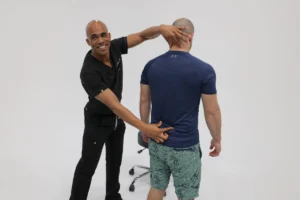
The nerve pain relief is achieved by reducing pressure on the nerve and improving body movement. This may include manual therapy, posture correction and specific exercises.
The goal is not only to remove the pain momentarily, but to help the nerve return to normal function.
Exercises for pinched nerve
The pinched nerve exercises help improve mobility and decrease tension around the nerve. They are usually gentle and controlled, focused on stretching and strengthening without causing pain.
It is important that these exercises are properly prescribed. Incorrect movements can increase symptoms rather than improve them.
In the following blog you can read more about safe back exercises
When to seek professional help
You should seek evaluation if the pain does not improve, if there is marked weakness, if the tingling is constant, or if the pain interferes with your daily life. Early evaluation can prevent the problem from getting worse.
According to reliable medical information, many cases of pinched nerve improve with conservative treatment
Conclusion
A pinched nerve can be painful, but does not always require surgery. Identify the symptoms of a pinched nerve, to implement strategies for nerve pain relief and perform pinched nerve exercises can aid in a safe recovery. With professional guidance and consistency, many people are able to get back on their feet with less pain and greater confidence.