A car accident in the United States generates confusion, fear, and many questions at the same time, especially when you don't know the language or the legal system. Knowing What to do after a car accident In the first few minutes and days, it can protect your health, your finances, and your legal rights.
According to the North Carolina Traffic Crash Facts 2024 (NCDOT), in North Carolina occurred 284,546 accidents in 2024 with 113,602 people injured. Many of the affected people are Latinos who don't know what to do step by step, and that lack of information ends up costing them medical treatment and compensation.
Important notice: This blog provides general information and does not replace the advice of a specialized lawyer. Each case is unique, and important legal decisions must be made with professional advice.
Steps to follow after an accident on the scene
In the scene of the accident, your priority is your safety; document everything and comply with what North Carolina law requires. These are the specific steps you should follow in order:
- Check that you are okay and help the passengers. If there are injured people, call 911 immediately.
- Move the vehicle if possible to a safe place, without obstructing traffic. Turn on the emergency lights.
- Report the accident to the police. The North Carolina law (NC General Statute § 20-166.1) requires that any accident involving injury, death, or damage of $1,000 or more be reported immediately. In urban areas, it is reported to the local police; in rural areas, to the NC Highway Patrol or the county sheriff.
- Do not admit guilt Don't say phrases like “I'm sorry” or “I didn't see you.” The doctrine of "no trespassing" applies in North Carolina. contributory negligence, In some cases, even a small percentage of fault can affect your right to compensation.
- Exchange information with the other driver: name, license, phone number, insurer, policy number, vehicle plate.
- Take photos and videos: Vehicles, damage, license plates, permits, complete scene, traffic signs, visible injuries.
- Obtain data from witnesses if there are people nearby who saw the accident.
- Wait for the police officer and asks for the report number to request it later.
- DO NOT sign documents from the other insurer without first consulting a lawyer.
I got into an accident in the United States. What do I do if I don't have insurance or documents?
Immigrants, with or without documents, have the right to file personal injury claims in North Carolina. This is confirmed by state law and has been recognized by Supreme Court of the United States., who has maintained that due process protections apply to all people in the country. Source: Ward and Smith, P.A., North Carolina law firm.
Key points you need to know:
- Guaranteed emergency medical care: hospitals are required by federal law EMTALA (Emergency Medical Treatment and Labor Act) provides emergency care regardless of your immigration status or ability to pay.
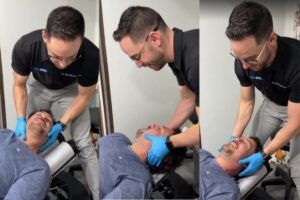
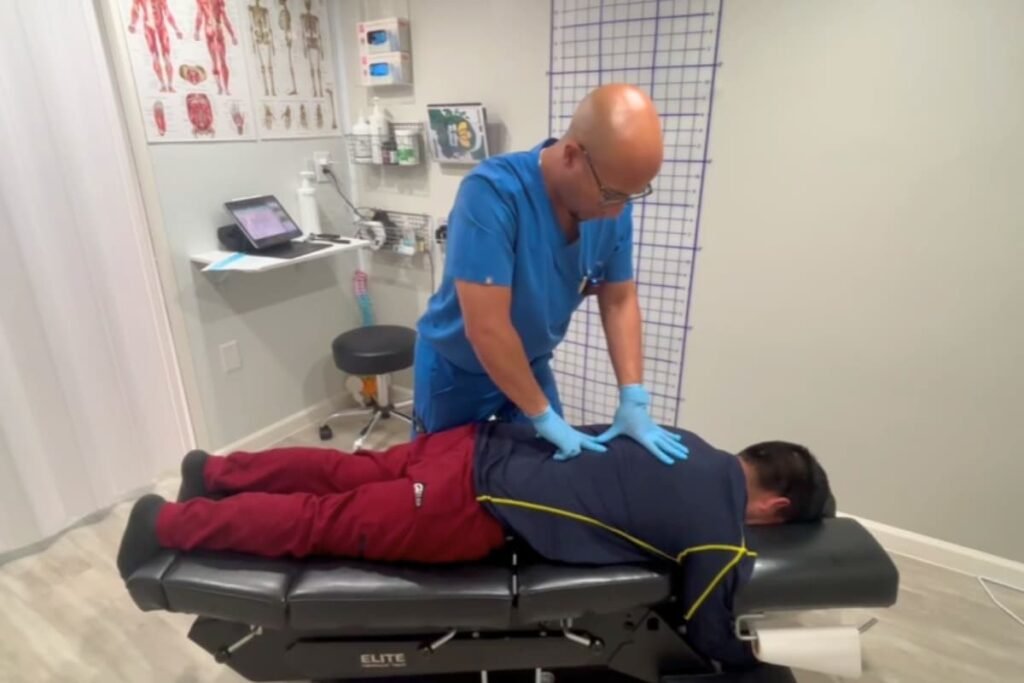
- Chiropractic treatment without insurance: under the system of medical report, Clinics like ChiroDuo treat you without an initial payment when the accident wasn't your fault.
- Right to claim for injuries: You can file a claim for injuries even if you do not have a valid license or car insurance, provided that another driver was responsible for the accident.
- Regarding the fear of deportation: Driving without a license or lacking regular immigration status can complicate your overall legal situation, but according to North Carolina law firms, filing a civil injury claim rarely leads to deportation on its own. Still, it is important to evaluate your case with an attorney before proceeding.
- Contributory negligence: North Carolina is one of the few states with this strict doctrine. If the opposing party can prove that you even had a small percentage of fault, your compensation may be denied. That is why having an accident lawyer is essential.
How long do I have to file an accident claim in North Carolina?
In North Carolina, you have 3 years from the date of the accident to file a personal injury lawsuit. This deadline is established by state law.NC General Statute § 1-52 and applies to most cases of injury or damage to property.
Important legal deadlines you should know:
- Personal injuries (accidents): 3 years from the accident (NC General Statute § 1-52).
- Damage to property (vehicle): 3 years since the accident.
- Accidental death: 2 years from the death (NC General Statute § 1-53(4)).
- Minors: The deadline can be extended. A minor injured person may have up to 3 years after turning 18 to file a lawsuit.
- Report to the insurer: You should report the accident to your insurer as soon as possible, ideally within the first 24-48 hours, according to the terms of your policy.
Although the legal deadline is 3 years, waiting weakens your case. Evidence is lost, witnesses forget details, security cameras are deleted, and insurers become more skeptical of late claims.
Many Latinos believe that if they waited for weeks or months, it is no longer worth claiming. That is not true. While you are within the timeframe, you can still take action both for your medical treatment and for your legal compensation.
What NOT to do after an accident
These errors can cost you your treatment and your compensation:
- Do not admit guilt Not even in recorded calls with insurers.
- DO NOT sign documents from the other insurer without legal advice.
- DO NOT accept quick offers from the insurer before a full medical evaluation.
- Don't wait for weeks to seek medical attention, even if you don't feel pain.
- Do not publicize the accident on social media. The lawyers of the insurers review Facebook, Instagram and TikTok to weaken your case.
- Don't stop attending to your medical appointments if you started treatment.
Frequently Asked Questions
Should I call 911 even if the accident was minor?
Yes, if there were injuries, death, or damages of $1,000 or more, North Carolina law (NC General Statute § 20-166.1) requires you to report the accident immediately. Although it may seem minor, reporting the accident strengthens any subsequent claim with the insurer.
Can I receive medical treatment if I don't have insurance?
Yes. The federal EMTALA law requires hospitals to provide emergency care regardless of your situation. Additionally, under the system of medical report, If the accident wasn't your fault, you can receive chiropractic treatment without paying out of pocket. The clinic charges at the end of the legal case when the responsible party's insurer pays.
What if the accident happened months or years ago?
You can still act. In North Carolina you have until 3 years To claim for personal injury under NC General Statute § 1-52. Your health can be treated at any time, although the legal case may weaken over time.
Does my immigration status affect my right to claim?
It does not remove your right. Immigrants, with or without documents, can file personal injury claims in North Carolina. However, there are practical factors to consider; that is why it is important that you evaluate your case with a lawyer who speaks your language.
Do I need a lawyer?
It is highly recommended, especially if there are injuries. Accident lawyers generally work on a contingency basis (they only charge if they win the case). At ChiroDuo, we can refer you to trusted Latino lawyers in the Tri-State area.
Warning signs that require immediate action
If you experience any of these symptoms after the accident, go directly to the emergency room:
- Loss of consciousness, although it was brief
- Repeated vomiting or intense and progressive headache
- Weakness or numbness on one side of the body
- Difficulty speaking
- Loss of sphincter control
- Severe chest pain or difficulty breathing
Schedule your evaluation today
If you had an accident in Raleigh, Durham or Smithfield (recent or long-standing) and it wasn't your fault, don't wait. In ChiroDuo We speak Spanish 100%, on Saturdays and Sundays, under a no-cost initial retainer. We help you coordinate with trusted lawyers and document your case professionally.
Call (984) 212-4382
This content is informational and does not replace consultation with a healthcare professional or a qualified attorney. Laws may change; always verify updated legal information with a licensed attorney in North Carolina.